

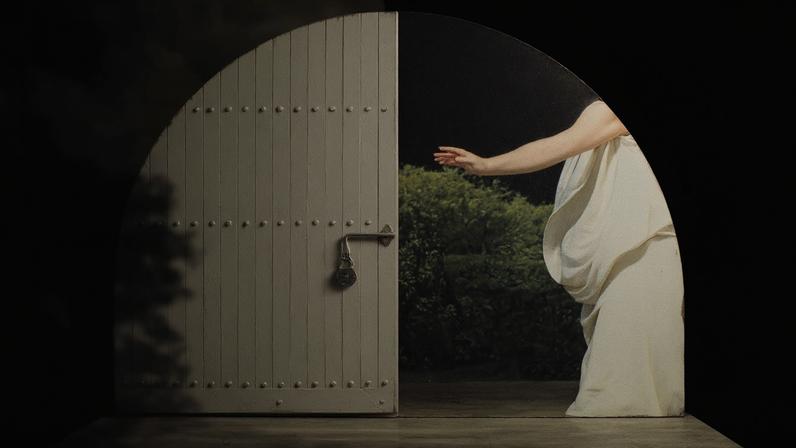
- Em 28 de fevereiro, família no interior do Irã ficou isolada após ataques e queda de comunicação, permanecendo atrás de portas trancadas com relatos de bombardeios que se seguiram.
- O texto também aborda o contexto de guerra na região, com ataques a cidades, infraestrutura e espaços residenciais, e o desafio de verificar informações devido ao apagão de sinais.
- A autora relembra uma história pessoal de prisão, resistência silenciosa e luta por dignidade em meio a um regime autoritário, conectando essas lembranças à situação atual do Irã.
- Defende que oposição ao autoritarismo interno não implica automaticamente apoio à intervenção estrangeira, destacando a importância de soberania e de evitar fracture da sociedade pela violência externa.
- Usa a passagem bíblica de João, capítulo vinte, para enfatizar “paz” diante do medo e aponta que mudanças duradouras devem vir de dignidade, responsabilidade e resistência sem retaliação.
On Saturday, February 28, shortly after the start of the US–Israel war against Iran, a sister in Yazd, central Iran, called. A calm voice said to not worry, that they had supplies and would stay home with locked doors. Then the line went quiet.
By the next evening, reports said the area had been bombed. After that, there were no messages or confirmations. Days later, she called briefly to say the family was alive, but still behind locked doors.
Since then, Iran has seen airstrikes on cities, energy infrastructure and residential areas. Reports are fragmented and hard to verify. Communication blackouts hinder understanding of ground realities.
Desafios da resistência
Inside and outside the country, fear, uncertainty and waiting persist. The narrator recalls the biblical scene of doors locked for fear, and sees parallels with a society accustomed to surveillance and repression.
Memories from childhood include a family living with risk of search by security forces. Prison visits, acts of quiet resistance, and the crafting of handmade items as small dignities remained part of daily life.
As a young student leader, the author identified as a Communist and atheist, later turning to Christianity. The shift brought a reoriented sense of justice, yet political awareness did not fade.
Trajetória de resistência
During adolescence, searches for unmarked graves of dissidents occurred. The group found two beneath a tree and read a poem in silence. Those experiences shape responses to today’s geopolitical moment.
The author emphasizes that opposition to domestic authoritarianism does not imply support for foreign intervention. Sovereignty remains a moral concern in a volatile region.
Today, Iran feels like a locked room: aircraft, explosions, ambulances, fear and rumors. The family survives, but others have died or become homeless, and new scars appear across people and cities.
Memória, fé e responsabilidade
The narrative stresses discretion for those outside Iran who speak about events inside. The doorway image from John 20 illustrates peace entering fear, not endorsement of power or revenge.
The piece concludes by underscoring that the past—prison, burned books, unmarked graves—shapes a stance of moral seriousness and responsibility, rather than vengeance or simplifications.



Entre na conversa da comunidade