
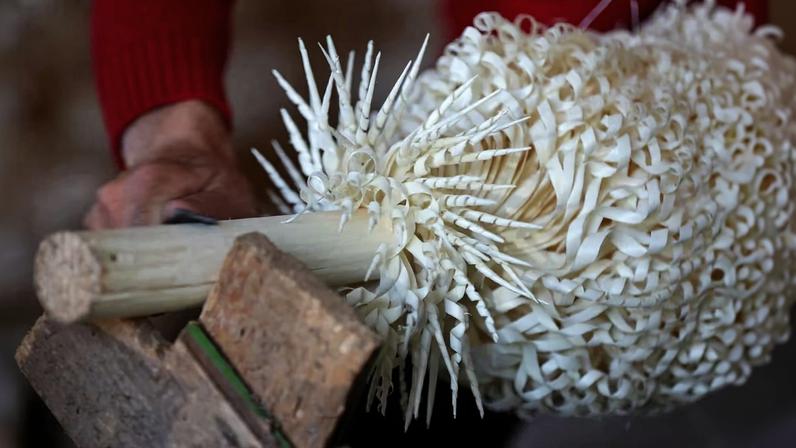
Outside a wooden cabin in central Georgia, Natia Gedenidze places a decorative tree no taller than 1 metre in the snow and, with a quick strike of a match, sets it on fire. The moment marks the Georgian New Year.
The tree, called chichilaki, is made by stripping branches from dried walnut or hazelnut trees. It resembles the beard of Saint Basil, a fourth-century figure known for aiding the poor, and is part of the New Year customs.
Traditionally displayed at home on Orthodox Christmas (Jan 7) and burned on Epiphany (Jan 19), the ritual symbolizes shedding the year’s troubles and inviting renewal.
Tradição e simbolismo
Mariam Gulordava, working in a workshop amid numerous chichilaki, shapes the beard-like branches and notes that hazelnuts symbolize prosperity and well‑being. After burning, a new tree is placed in the home for the year.
At Gardenia, a local plant shop, owner Zura Shevardnadze keeps the custom alive by selling chichilaki. He says many Georgians believe the true New Year depends on the tradition, especially in western Georgia.




Entre na conversa da comunidade