

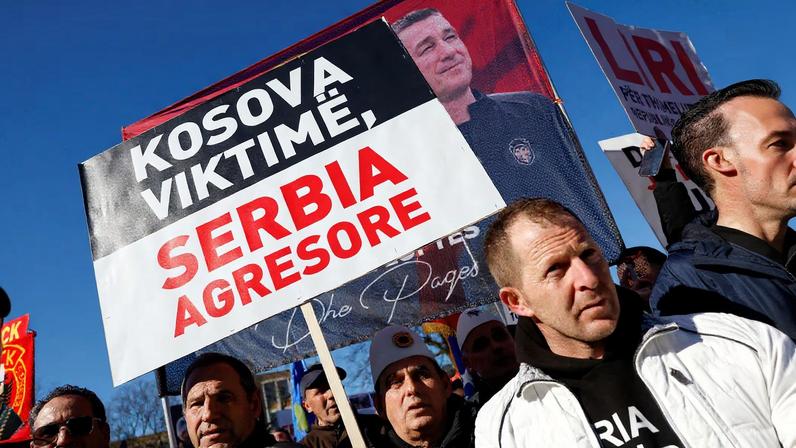
- Advogados de Hashim Thaci afirmam que ele é inocente e deve ser absolvido de todas as acusações por crimes de guerra no tribunal especial em Haia.
- As acusações dizem que Thaci e três comandantes da Kosovo Liberation Army conduziram uma campanha violenta para obter controle político em todo o Kosovo entre 1998 e 1999.
- A defesa sustenta que Thaci não tinha autoridade real sobre a KLA e precisou acatar ordens de comandantes locais.
- As acusações incluem perseguição, assassinato, tortura e desaparecimentos forçados de opositores entre 1998 e 1999; os procuradores buscam quarenta e cinco anos de prisão para Thaci e os coacusados.
- O conflito de 1998-1999 deixou mais de 13 mil mortos, a maioria albaneses do Kosovo, quando a região era uma província da Sérvia.
Lawyers for former Kosovo president Hashim Thaci defend innocence and pedir acquittal on all war crimes charges. The defense argues prosecutors aim to rewrite Kosovo’s history with dubious claims of a violent power grab by the Kosovo Liberation Army in the late 1990s.
Thaci, 57, and three other former KLA commanders face charges of persecution, murder, torture and forced disappearances linked to 1998-1999 upheaval. The trial is taking place at a special Kosovo war crimes court in The Hague.
The defense contends Thaci did not have real authority over KLA ranks during the uprising and its aftermath, and that local commanders made decisions independently. They emphasize a lack of direct control over battlefield actions.
Prosecutors on Monday requested a 45-year prison term for Thaci and his co-defendants after a nearly three-year trial. They allege more than 100 opponents and suspected collaborators were killed in 1998-1999.
The case concerns abuses in and around around 50 detention camps run by the KLA, during a period that contributed to Kosovo’s eventual declaration of independence. The broader conflict caused substantial casualties in the late 1990s.
Context: Kosovo’s insurgency occurred while the region was part of Serbia, under Slobodan Milosevic. The period saw widespread violence as ethnic Albanians sought independence, drawing international attention and intervention.





Entre na conversa da comunidade