

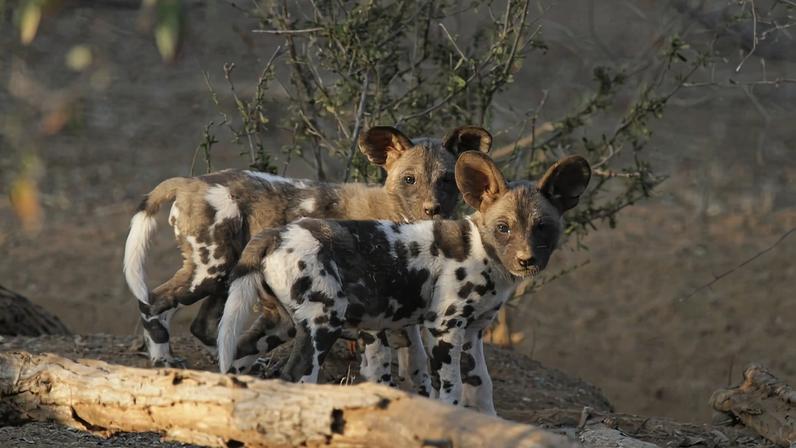
- Pela primeira vez, cães selvagens africanos foram vistos comendo jackalberries, fruta da árvore ebony africana (Diospyros mespiliformis), em Botswana.
- As observações ocorreram de julho a agosto de 2022, com 11 adultos do bando consumindo a fruta diariamente.
- O estudo, liderado por Megan Claase, foi publicado na revista Canid Biology & Conservation; registros indicam que un bando próximo já havia sido visto comendo a fruta anteriormente por Duncan Rowles.
- A pesquisadora sugere que a fruta pode servir de combustível antes da caçada e que cães mais velhos, com menos acesso à carne, também incorporaram a fruta à dieta; a descoberta pode se espalhar entre as alcateias.
- A descoberta ocorre em meio ao manejo de uma espécie ameaçada, estimada em cerca de 6.600 adultos, com habitat e mudanças climáticas representando desafios para a conservação.
For the first time, African wild dogs in Botswana were observed consuming fruit, marking a notable shift from their known carnivorous diet. The fruit in question is the jackalberry, the fruit of the African ebony tree. The behavior was documented in the Okavango Delta, a wildlife-rich area in Botswana.
From July to August 2022, researchers followed a pack of 11 adult wild dogs, noting daily consumption of jackalberries. The observations were published in Canid Biology & Conservation. The study was led by Megan Claase, then with Wild Entrust’s Botswana Predator Conservation program, and later corroborated by a safari guide who had seen a neighboring pack eating the fruit a year earlier.
Wild dogs typically shred flesh and bone, but the record shows otherwise. Much of the fruit-eating occurred near the den, before adults headed out to hunt, suggesting a possible preparation for the hunt. Older subdominant dogs also ate fruit during the day, likely to supplement nutrition due to lower meat access.
Observações e implicações
Claase noted that pups would be exposed to this food source, given cooperative care and regurgitation of food for den-covered pups. The behavior could spread to other packs if dispersal brings individuals to new areas. Three female dogs from the studied pack dispersed farther south toward Moremi Game Reserve, raising questions about the spread of frugivory.
Ecologist Botilo Tshimologo, not involved in the study, called the record intriguing and said he had not personally observed wild dogs frugivory in the Okavango area. He has also studied dogs in the Mabuasehube sector of Kgalagadi Transfrontier Park.
Perspectivas para a conservação
Wild dogs, currently endangered with an estimated 6.600 adults, may benefit from behavioral flexibility in adapting to changing environments. The discovery adds dimension to understanding their foraging strategies amid habitat loss and climate pressures, highlighting potential resilience mechanisms.






Entre na conversa da comunidade